Walk and Talk therapy
Contact Phiona
Schedule a complimentary, no-obligation 15-minute consultation to gently explore how therapy might support you. This is a relaxed, no-pressure space where you can get a sense of how I work, ask any questions you may have, and decide whether we feel like the right fit to work together.

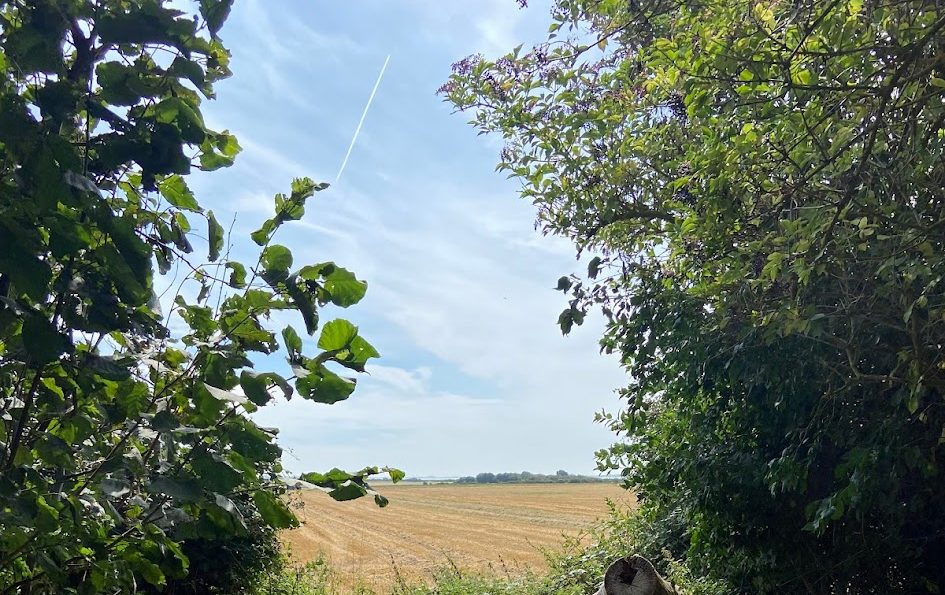
Healing Through Nature, Movement & Connection
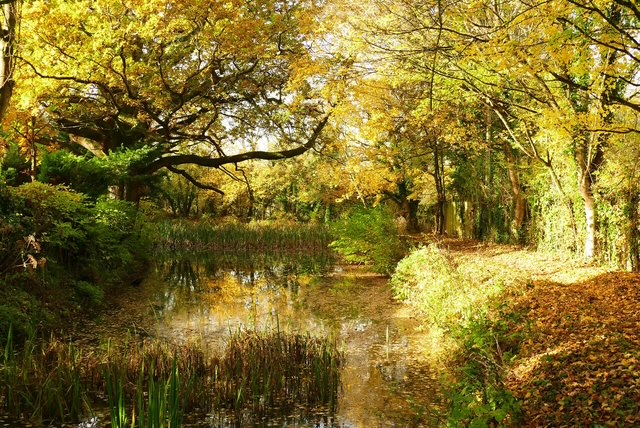
Sometimes it can feel easier to talk when we're walking side by side rather than sitting face-to-face in a therapy room. Walk & Talk Therapy combines the benefits of counselling, somatic awareness, mindfulness, and nature-based therapy, offering a gentle and supportive way to explore your thoughts, emotions, and experiences while immersed in the natural world.
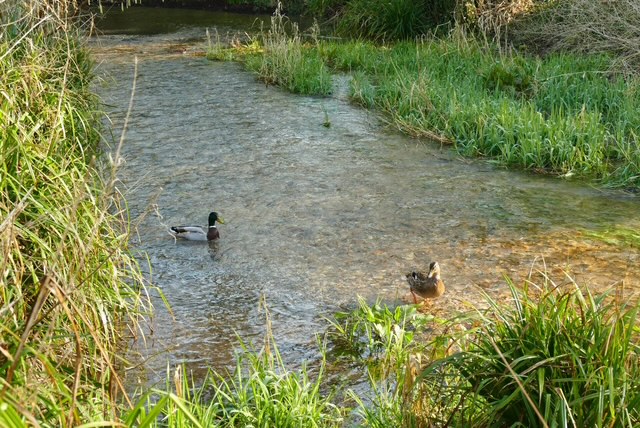
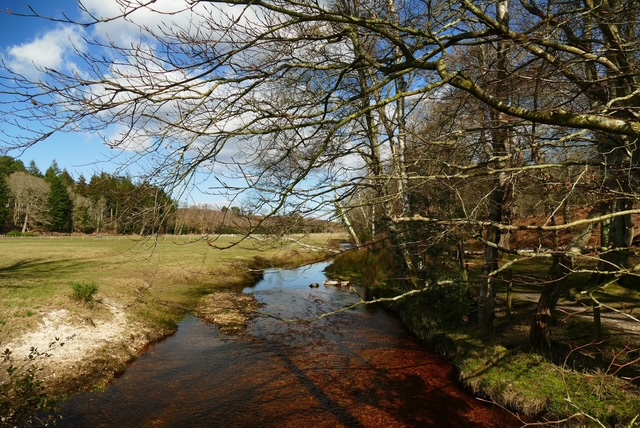
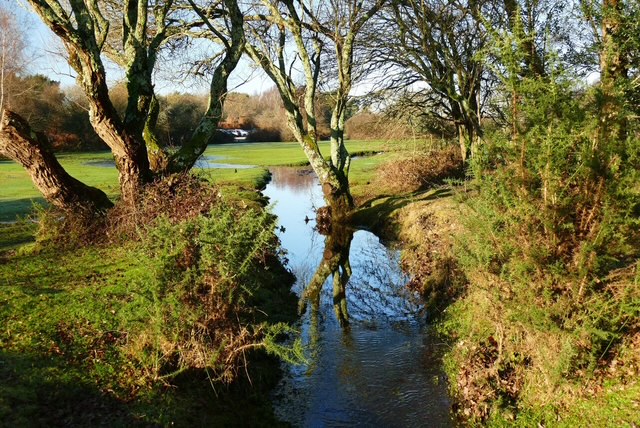
As human beings, we are inherently connected to nature, yet modern life often pulls us indoors and away from the environments that naturally support our well-being. Ecotherapy recognises the restorative relationship between people and the natural world, using nature as a therapeutic partner in the healing process. For many clients, being outdoors creates a sense of space, freedom, and perspective that can feel different from traditional therapy settings. The rhythm of walking, the fresh air, birdsong, changing seasons, and connection with the natural environment can help calm the nervous system, reduce stress, and support emotional processing.
A Different Way to Experience Therapy
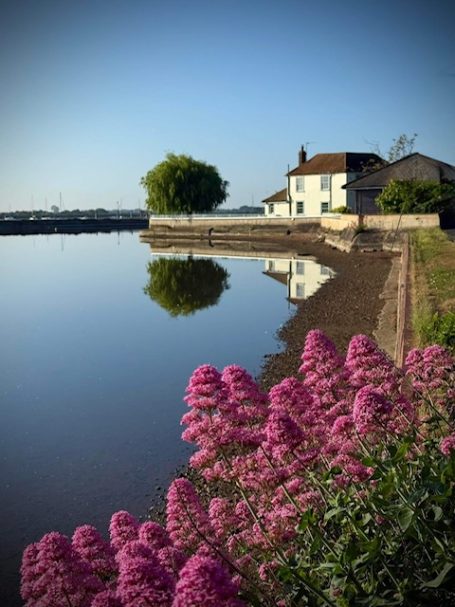
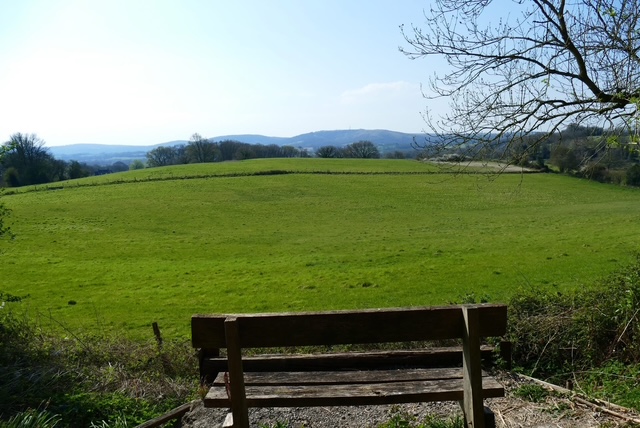
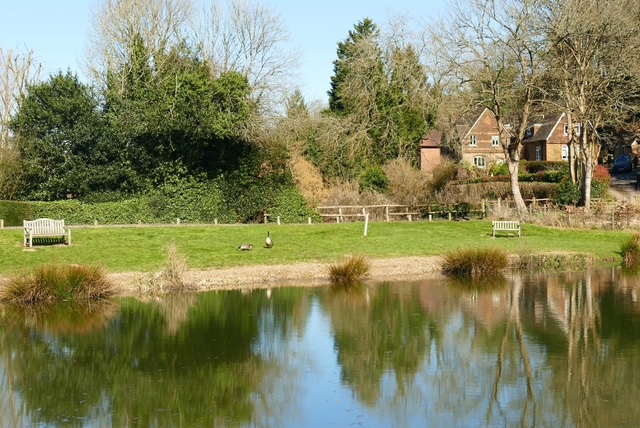
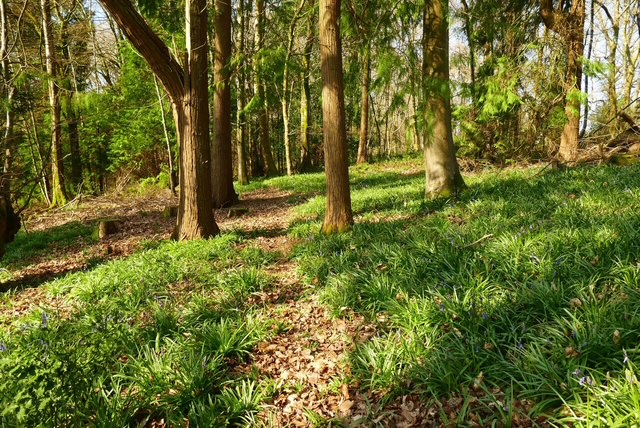
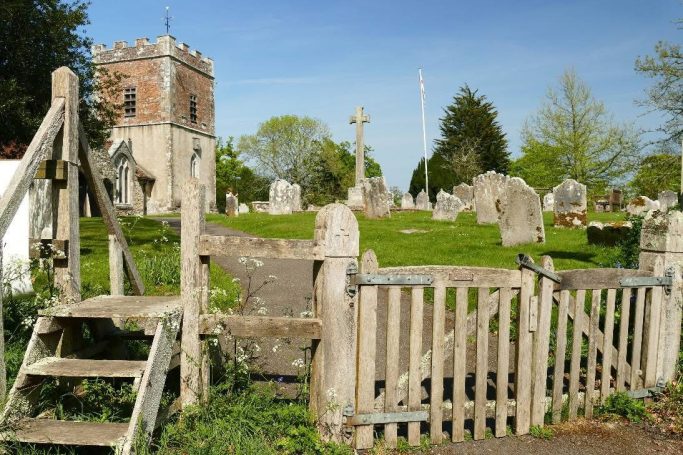
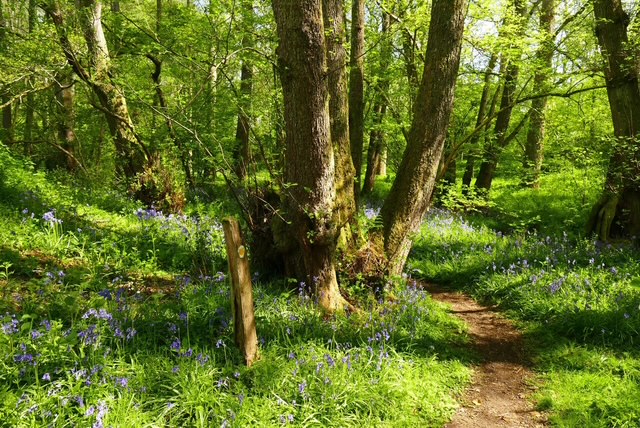
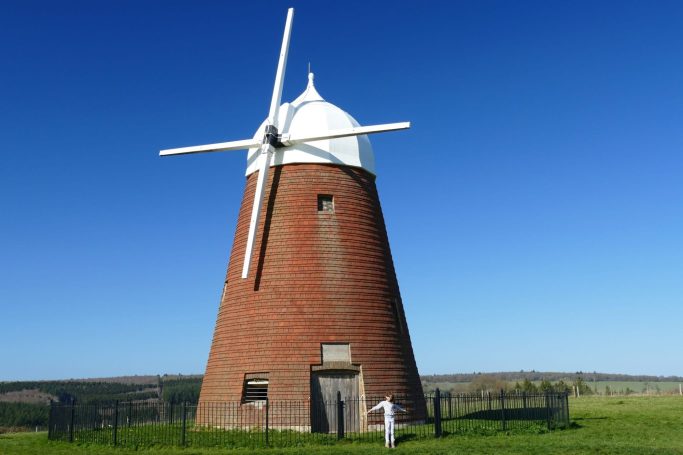
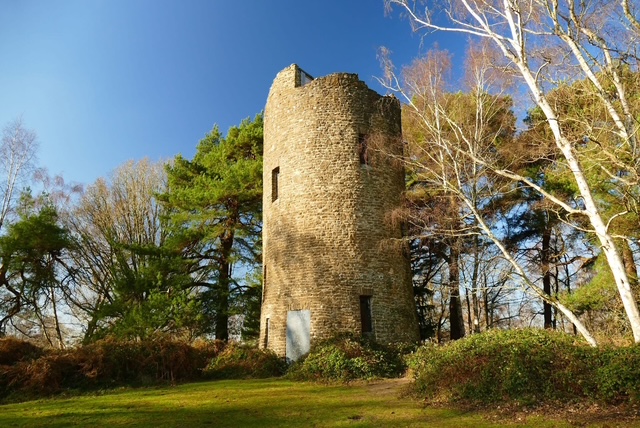
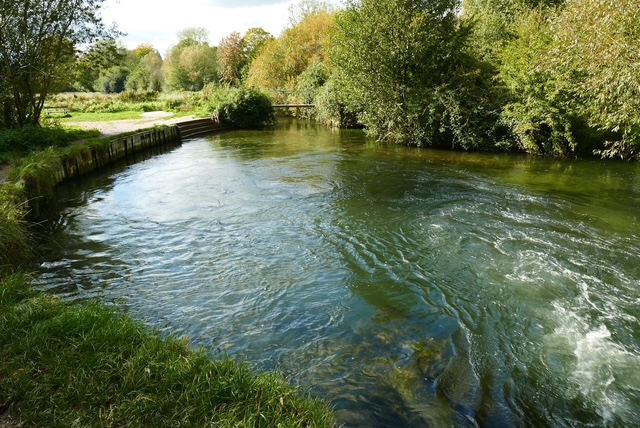
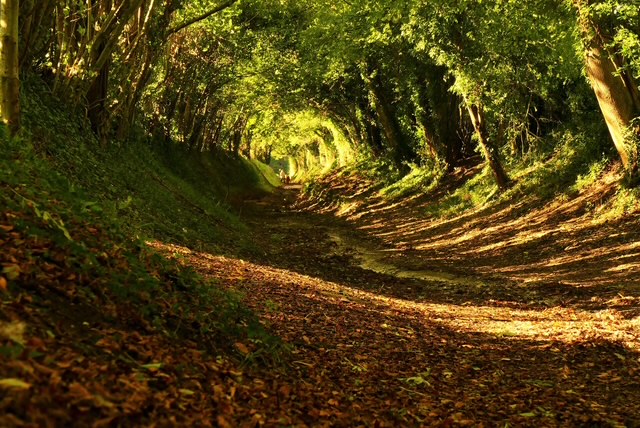
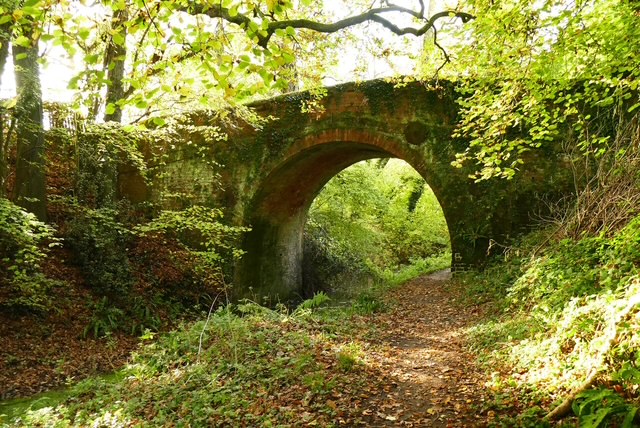
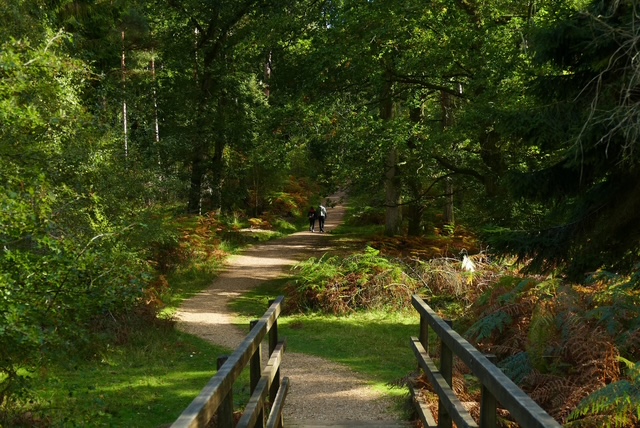
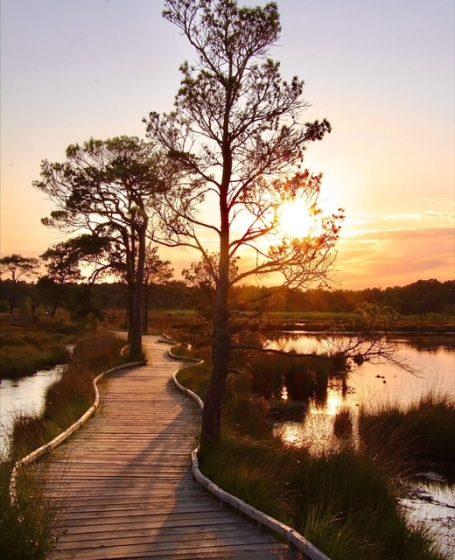
Walk & Talk Therapy is not about hiking long distances or reaching a destination. It is about creating space for reflection, conversation, and connection. Sessions are tailored to your individual needs and abilities. For some people, this may involve a gentle walk through woodland, along the coast, or within a peaceful natural setting. For others, it may simply involve sitting quietly outdoors, noticing the environment, and allowing nature to support the therapeutic process.
As a Counsellor, Clinical Hypnotherapist, and Somatic Therapist, I may also integrate:
- Counselling and therapeutic conversation
- Somatic awareness and nervous system regulation
- Breathwork and relaxation techniques
- Mindfulness practices
- Clinical hypnotherapy, where appropriate
- Emotional Freedom Technique (EFT)
- Nature-based reflection and grounding exercises
Every session is personalised, allowing us to work in a way that feels comfortable, supportive, and meaningful for you.
Why Nature Helps
Research continues to demonstrate what many of us instinctively know: spending time in nature supports both emotional and physical well-being.
Being outdoors can help:
- Reduce stress and feelings of overwhelm
- Support nervous system regulation
- Ease symptoms of anxiety and low mood
- Improve focus, creativity, and mental clarity
- Encourage mindfulness and presence
- Promote emotional resilience
- Improve sleep and overall well-being
- Create a greater sense of connection and perspective
Nature invites us to slow down. Away from screens, responsibilities, and constant demands, we often find it easier to hear ourselves think, process emotions, and reconnect with what truly matters.
Following Nature's Rhythms
My work is deeply influenced by the cycles and seasons of the natural world.
Just as nature moves through periods of growth, rest, change, and renewal, we too experience our own inner seasons throughout life. Walk & Talk Therapy offers an opportunity to reconnect with these rhythms, helping you navigate transitions, challenges, and personal growth with greater awareness and self-compassion. Many clients find that nature offers gentle metaphors and insights that emerge naturally during sessions, providing fresh perspectives and deeper understanding.
Who Can Benefit?
Walk & Talk Therapy may be helpful for those experiencing:
- Anxiety and stress
- Depression and low mood
- Burnout and overwhelm
- Grief and bereavement
- Trauma recovery
- Life transitions
- Low confidence or self-esteem
- Relationship difficulties
- Neurodivergent experiences
- Chronic illness and fatigue
It can be particularly beneficial for people who:
- Feel uncomfortable in traditional therapy rooms
- Think more clearly when moving
- Feel connected to nature
- Find direct eye contact challenging
- Learn through experience and reflection
- Want a more holistic approach to wellbeing
A Flexible & Accessible Approach
Sessions are adapted to suit your individual needs, energy levels, and physical abilities. There is no expectation to walk long distances. Some sessions may involve gentle movement, while others may focus on sitting, resting, observing, and simply being present in nature. Your comfort, well-being, and therapeutic goals always guide the process. Walk & Talk Therapy is available for adults, young people (16+), small groups, and workshops.
Nature has an extraordinary ability to hold us exactly as we are. Whether you are seeking support during a difficult time, seeking a different approach to therapy, or simply longing to reconnect with yourself, Walk & Talk Therapy offers a space to slow down, breathe deeply, and allow healing to unfold naturally. Together, we can explore your journey at a pace that feels right for you, supported by the calming presence and quiet wisdom of the natural world.
Available as Individual Sessions, Group Experiences and Workshops.
Therapy in the Garden
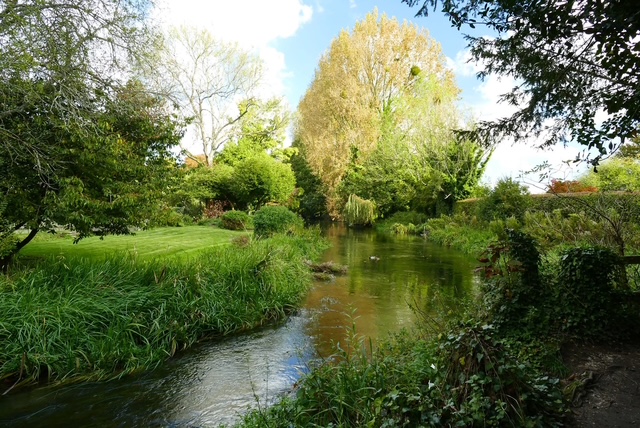
If “walk and talk” therapy isn’t what you’re looking for, but you’d still like to connect with nature, Therapy in the Garden may be perfect for you. Sit in a beautiful natural space surrounded by wildlife and soothing nature sounds, designed to calm the mind and nervous system. Experience the benefits of nature-based therapy and discover a gentle way to support your wellbeing.