Equine Assisted Therapy
Contact Phiona
Schedule a complimentary, no-obligation 15-minute consultation to gently explore how therapy might support you. This is a relaxed, no-pressure space where you can get a sense of how I work, ask any questions you may have, and decide whether we feel like the right fit to work together.

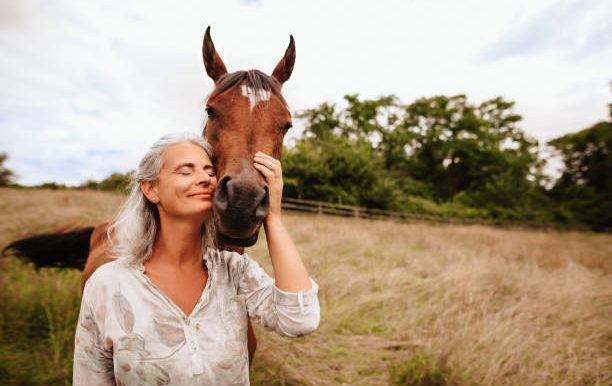
Horses have been part of my life for as long as I can remember. Long before I became a counsellor, clinical hypnotherapist, and somatic therapist, I was learning from horses, caring for them, riding them, and experiencing the unique way they help us become present, authentic, and connected. Over the years, my lifelong relationship with horses naturally evolved into my therapeutic work. Today, I combine my professional counselling training with decades of equestrian experience to offer Equine Assisted Therapy, a gentle, experiential approach that supports emotional wellbeing, self-awareness, and personal growth.
At its heart, Equine Assisted Therapy is about relationships. Relationship with ourselves, with others, and with the world around us. Horses have an extraordinary ability to meet us exactly where we are. They do not judge, analyse, or expect us to be anything other than ourselves. Instead, they respond honestly and authentically to what is happening in the present moment. This creates a unique opportunity for insight, healing, and growth.
My Experience with Horses
Alongside my counselling and therapeutic qualifications, I bring a lifetime of hands-on equestrian experience to this work. I am a qualified British Horse Society Riding Instructor and have worked with horses in a variety of settings, including professional livery yards and eventing environments. Over many years, I have developed a deep understanding of equine behaviour, communication, welfare, and relationship-building. This experience allows me to create sessions that prioritise the well-being, safety, and emotional comfort of both horse and client. The horses are not tools within the process; they are respected partners who help facilitate awareness, connection, and change.
What is Equine Assisted Therapy?
Equine Assisted Therapy is a client-centred and experiential form of therapy that takes place alongside horses. Unlike traditional therapy, which relies primarily on talking, Equine Assisted Therapy invites you to learn through experience. Working with the horse can bring awareness to thoughts, feelings, behaviours, boundaries, communication styles, and relationship patterns in a way that often feels more immediate and embodied than words alone. There is no riding involved. Sessions are entirely ground-based, meaning no previous horse experience is needed. Many clients arrive feeling nervous about being around horses and quickly discover that they are welcomed exactly as they are.
The Wisdom of the Horse
As prey animals, horses are naturally attuned to their environment. They notice subtle changes in body language, breathing, energy, and emotional states. Their sensitivity allows them to respond in ways that can gently mirror what is happening within us. Sometimes what we struggle to express in words becomes visible through our interactions with a horse.
As a somatic therapist, I find this particularly powerful. Much of our life experience is carried not only in our thoughts but also within our bodies and nervous systems. Horses help us slow down and notice these responses with curiosity and compassion.
Being in the presence of a horse can support:
- Nervous system regulation
- Emotional awareness
- Grounding and mindfulness
- Confidence and self-esteem
- Healthy boundaries
- Trust and connection
- Self-reflection and personal growth
A Nature-Based Approach to Healing
My work is rooted in the belief that healing happens when we reconnect with ourselves, our bodies, our relationships, and the natural world. Equine Assisted Therapy takes place within a peaceful outdoor environment where clients have the opportunity to step away from the demands of everyday life and reconnect with something more instinctive and authentic. Just as nature moves through seasons of growth, challenge, rest, and renewal, we too experience our own inner seasons. Horses have a remarkable ability to help us slow down, become present, and meet ourselves with greater awareness and acceptance. For many people, simply standing alongside a horse, noticing their breath, movement, and presence, can be deeply calming and restorative.
Who Might Benefit?
Equine Assisted Therapy may be beneficial for individuals experiencing:
- Anxiety and stress
- Trauma and PTSD
- Grief and bereavement
- Relationship difficulties
- Low self-confidence
- Emotional regulation challenges
- Life transitions
- Burnout and overwhelm
- Neurodivergent experiences
It can be particularly valuable for people who:
- Find it difficult to express themselves verbally
- Feel disconnected from their body
- Learn best through experience
- Are drawn to nature-based approaches
- Want a different experience from traditional talking therapy
What to Expect
Sessions take place in a safe, supportive outdoor environment and are tailored to your individual needs and therapeutic goals.
Activities may include:
- Spending time alongside the horse
- Ground-based interaction and observation
- Mindfulness and awareness exercises
- Exploring boundaries and communication
- Reflective conversation and therapeutic processing
- Nervous system and somatic awareness practices
There is no pressure to perform, achieve, or get anything right. The process unfolds at your pace and in a way that feels safe, collaborative, and supportive. Equine Assisted Therapy offers a different way of experiencing therapy—one that moves beyond words and invites connection through relationship, presence, and embodied awareness. Whether you have loved horses all your life or have never stood beside one before, you are welcome exactly as you are.
Together, with the support of these remarkable animals, we create space for reflection, healing, growth, and a deeper connection with yourself.