Equine Assisted Therapy
Contact Phiona
Schedule a complimentary 15-minute consultation to explore how therapy can assist in alleviating the concerns that occupy your mind. During this session, you will learn how Phiona can guide you in identifying the most appropriate therapeutic approach tailored to your individual needs.
Following this consultation, you will have the opportunity to arrange an initial assessment, enabling you to embark on the journey towards liberating yourself from the burdens you may carry, both mentally and physically.
Take the first step towards the fulfilling life you deserve by contacting Phiona today for a brighter tomorrow.
Equine Assisted Therapy
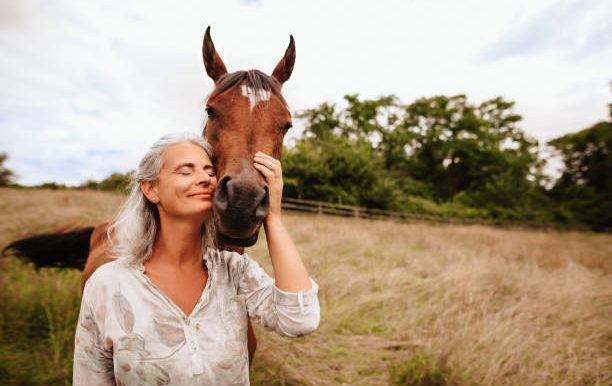
Equine Assisted Therapy (EAT) is a client-centred, experiential form of therapy that involves working alongside horses to support emotional, psychological, and relational wellbeing. Rather than focusing solely on talking about experiences, this approach invites clients into a calm, structured environment where learning and insight emerge through guided interaction with a horse.
At its heart, equine assisted therapy recognises that healing often happens through relationship, with ourselves, with others, and with the world around us. Horses, as highly attuned and responsive animals, provide immediate, honest, and non-judgmental feedback. This can help clients develop awareness of patterns, emotions, boundaries, and communication styles in a way that feels embodied and real.
Phiona has been around horses from an early age and brings a lifetime of lived experience into her therapeutic work. She is an experienced rider, groom, and a qualified British Horse Society riding instructor, having worked with event horses and within professional livery yards.
Over the years, her deep understanding of equine behaviour, care, and communication has naturally evolved into a therapeutic partnership. She now combines her extensive equestrian background with her counselling training and equine assisted therapy practice, creating a grounded, safe and relational approach for clients.
Phiona understands both the practical and emotional dimensions of working with horses. Her experience allows her to prioritise safety, attunement, and the wellbeing of both client and horse within each session.
Importantly, you do not need any prior experience with horses to engage in equine assisted therapy. There is no riding involved. Sessions are ground-based and focus on simply sharing space with the horse in a calm and supported way.
Horses have a gentle, regulating presence. Being alongside them, noticing breath, posture, movement and connection. can help support your nervous system, increase awareness, and create opportunities for reflection and growth. The work unfolds at your pace, in a way that feels accessible and respectful.
Whether you feel naturally drawn to horses or are simply curious about a different way of engaging in therapy, you are welcome exactly as you are.
What It Involves
- Sessions take place in a safe, supportive outdoor or arena setting.
- Equine assisted therapy typically includes:
- Ground-based activities with the horse (no riding is required unless specifically part of the program)
- Guided reflection and therapeutic processing
- Experiential exercises tailored to individual goals
- Opportunities to explore boundaries, trust, regulation, and communication
- Mindfulness and nervous system awareness in a natural setting
Clients remain fully involved in shaping the pace and direction of their work. Activities are collaborative and consent-based, with safety and emotional comfort prioritised at every stage.
How It Differs from Other Therapies
Traditional counselling primarily relies on verbal dialogue. While talking can be deeply valuable, some clients find it difficult to access or articulate emotions solely through conversation.
Equine assisted therapy adds a relational and experiential dimension. Instead of only discussing patterns, clients may observe them unfolding in real time through interaction with the horse. This can make insights more immediate and memorable. For individuals who feel “stuck in their head,” this approach can offer a different entry point into healing.
Compared to Somatic Therapy
Somatic therapies focus on body awareness and nervous system regulation, often through guided internal observation and movement practices. Equine assisted therapy also supports nervous system regulation, but it does so within a dynamic relational environment. Horses are highly sensitive to subtle shifts in posture, tension, breath, and emotional state. This responsiveness can help clients recognise and adjust their physiological responses in the moment. The presence of the horse provides an external relational mirror rather than solely an internal focus.
Who It May Benefit
- Equine assisted therapy can support individuals experiencing:
- Anxiety or stress
- Trauma or attachment wounds
- Grief and loss
- Low self-confidence
- Relationship challenges
- Emotional regulation difficulties
- Life transitions
- It may be particularly helpful for those who:
- Struggle to express themselves verbally
- Feel disconnected from their body
- Learn best through experience rather than conversation alone
- Are drawn to nature-based or relational approaches
A Client-Informed Approach
This work is collaborative and responsive to your needs. Your goals, comfort level, and readiness guide the process. There is no expectation to perform, achieve, or “get it right.” Sessions unfold at a pace that feels safe and supportive.
Equine-assisted therapy is not about horsemanship skills; it is about awareness, relationship, and growth. The horse is a partner in the therapeutic process, and your experience is central.
If you are curious but unsure whether this approach is right for you, an initial consultation can help explore fit, preferences, and therapeutic goals together.
Available from summer 2026
Adults:
Initial assessment from £90 (up to 90 minutes)
Ongoing sessions for teenagers (14 yrs plus) and adults from £95 for 60-minute sessions.
Children up to 14 years old:
Initial assessment from £90 (up to 90 minutes with parent or carer)
Ongoing sessions for children up to 14 years from £65 for 30 -45 minute sessions.